April was an eventful month for AI in data engineering. Snowflake expanded Snowflake Intelligence, pushed major updates to Cortex Code, and all of it landed within days. If you missed it, here is what happened and why it matters.
Snowflake is changing the future of AI in Data Engineering
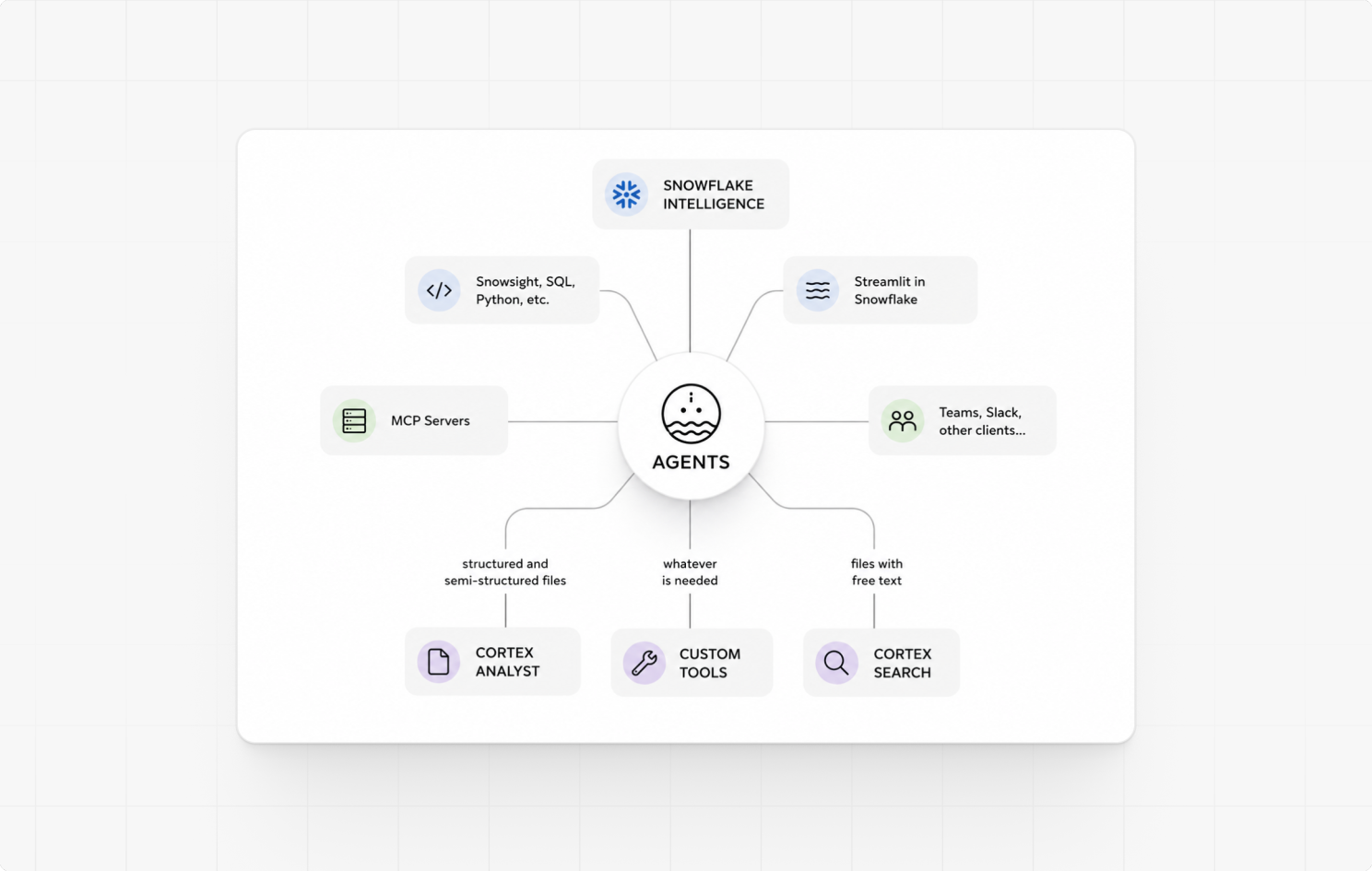
Snowflake expanded Intelligence with Skills, letting users describe workflows in plain language and have them executed automatically. New MCP connectors now plug into Gmail, Jira, Salesforce, and Slack.
There is also deep research mode for multi-step reasoning across structured and unstructured data. AI that does not just answer but acts, plans, and follows through. If you are building pipelines to feed these workflows, the foundation matters more than ever.
Cortex Code: the game changer your stack did not see coming
Since launching in November 2025, more than half of Snowflake customers are actively using Cortex Code. April's update added external system support for Postgres, a VS Code extension, Cloud Agents for browser-based execution, and a Python and TypeScript SDK.
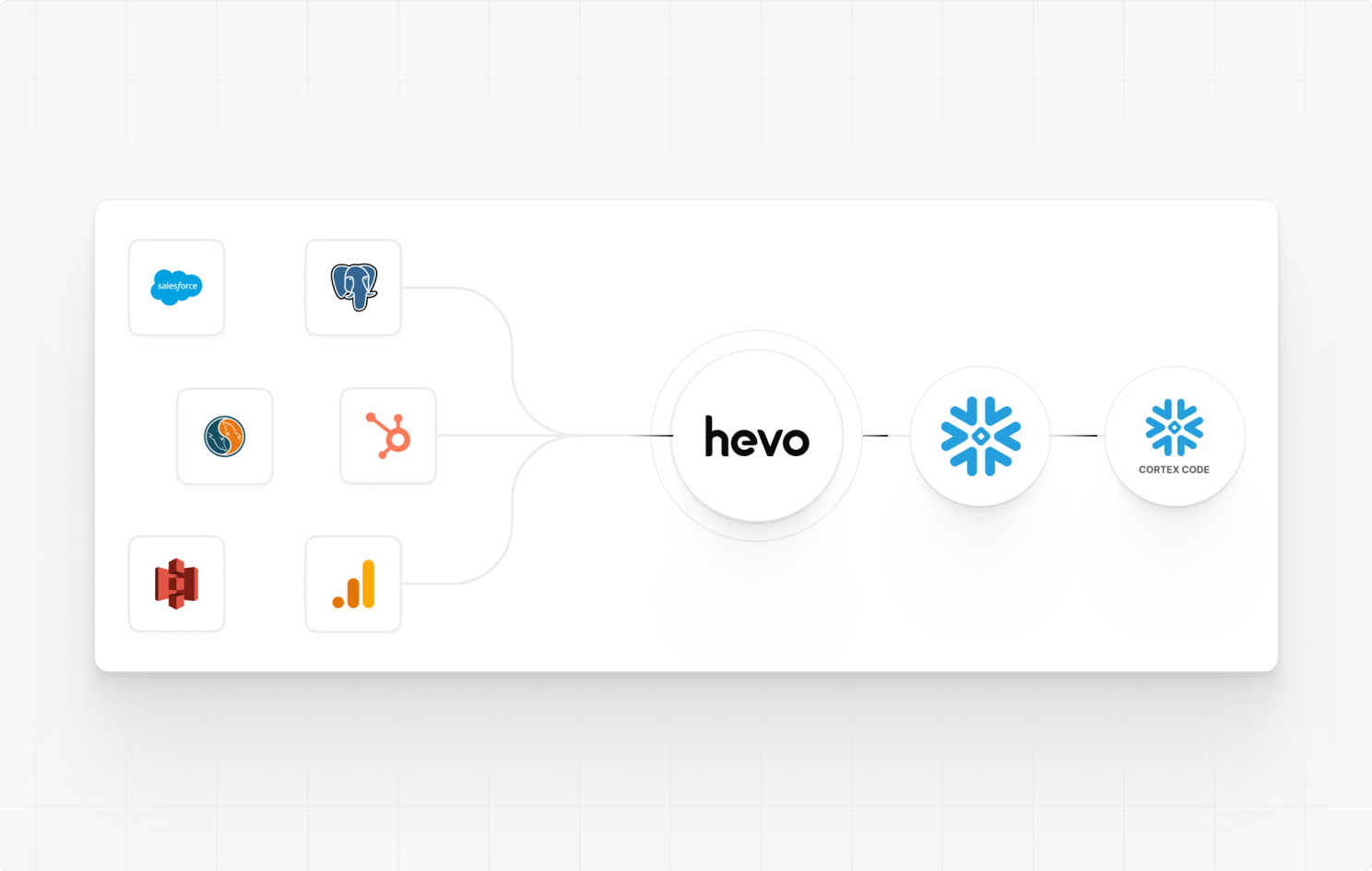
It is no longer just a tool. We covered exactly how this fits into a modern data stack: from automated ingestion to AI-assisted development and where it still falls short without clean data underneath.
AI on bad data just produces confident wrong answers
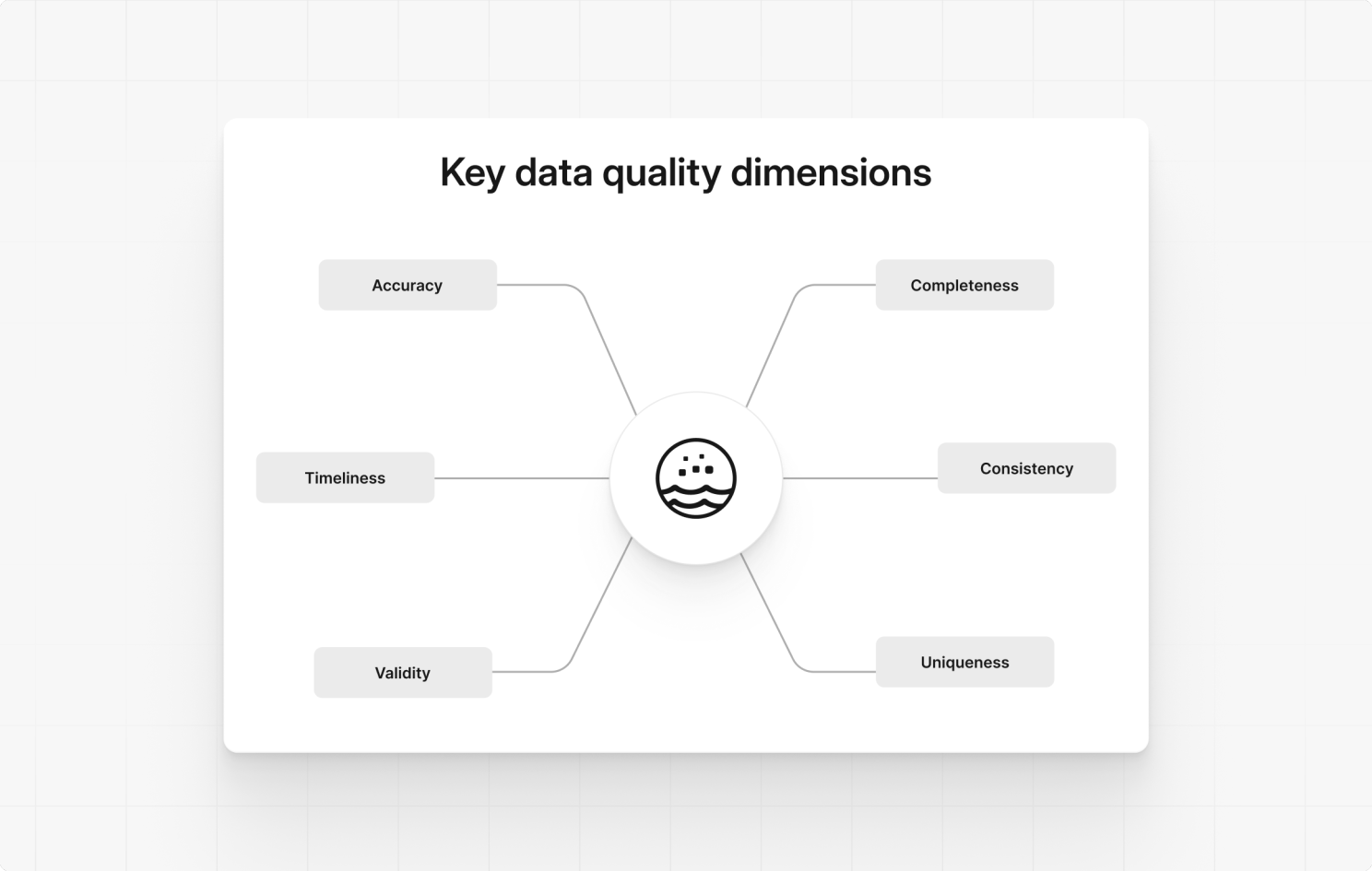
Over 9,100 customers use Snowflake AI products weekly. Every deployment inherits whatever is in the warehouse. Schema drift, renamed fields, silent type changes.
AI does not flag the problem. It just works with what it has.The fix is not in the AI layer. It is upstream, at ingestion.